
370
Website Traffic Sources: Where Visitors Come From and How to Track Them
Before planning any marketing, it helps to know where your website visitors come from today. Some find you on Google, some click an ad, some arrive from a social post or an email, and some type your address straight into the browser. Each of these traffic sources brings different people at a different cost, and some turn into customers far more often than others. Knowing which channels work lets you put your time and budget where they pay off.
A traffic source is any place a visitor comes from before landing on your site: search engines, ads, social networks, emails, other websites and apps. Analytics tools group these sources into channels to make them easier to compare. The main ones are described below.
Organic Search Traffic
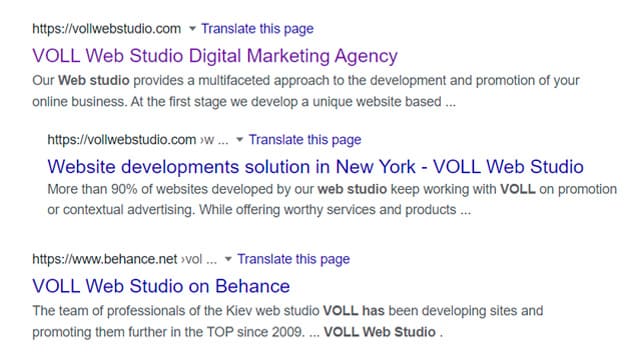
Organic traffic is visitors who click on your site in the unpaid search results. For many businesses it is a major source of new customers. Google’s crawler, Googlebot, regularly visits websites, reads their pages and adds them to Google’s index. When someone searches, Google’s ranking systems choose and order the pages that best answer the query.
The higher a page appears for a relevant search, the more clicks it tends to get. To grow organic traffic, SEO services usually focus on:
- clear, descriptive titles and meta tags for every important page;
- content that answers the questions your customers ask, including short FAQ sections;
- pages built around the words people actually search for, a fast and error-free site, and links from other trusted websites.
Paid Search Traffic
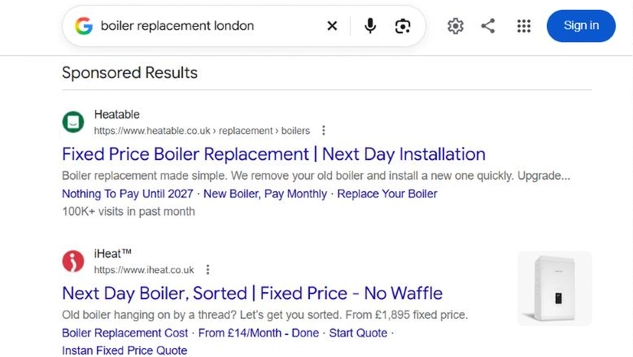
Paid search traffic comes from ads in search engines. These are pay-per-click (PPC) ads, sometimes called contextual advertising in older texts. They appear above and below the organic results and are labelled as sponsored. You set them up in Google Ads or Microsoft Advertising, choose the searches they should show for and pay only when someone clicks. The price of a click is set in an auction and depends on how many advertisers compete for the search and on the quality of your ad and landing page. If you would like specialists to run your campaigns, see our PPC management.
The main difference from SEO is speed. Organic results take months to build up, while ads can bring visitors from the day they go live. The flip side is that paid traffic stops as soon as the budget runs out.
Social Media Traffic
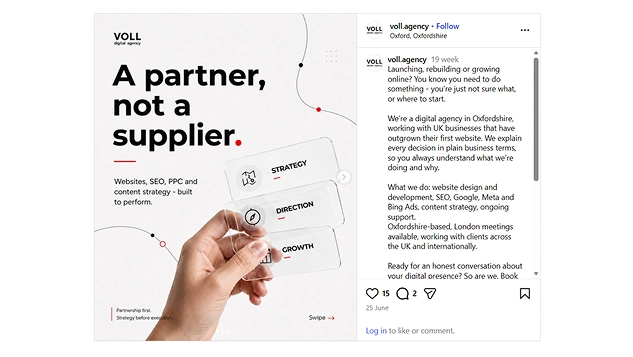
Social networks can be a steady source of visitors, especially for businesses with products that are easy to show in photos and videos. Analytics tools separate organic social traffic (from your posts and shares) and paid social traffic (from ads). Typical ways to grow it:
- business profiles where you regularly post news about products, services, offers and events;
- influencer marketing, where bloggers with a relevant audience mention your brand in their posts or stories;
- paid social ads in feeds and stories on Facebook, Instagram and other platforms.
Email Traffic
Email brings back people who already know you: past customers and subscribers. A newsletter about new products, offers or useful advice reminds them of your business and brings them back to the site. In the UK, marketing emails to individuals need their consent, with a limited “soft opt-in” for existing customers, and every message must include a way to unsubscribe, as the ICO guidance on email marketing explains. Sending emails to bought or random lists is spam.
Text messages and messaging apps such as WhatsApp can work in the same way when customers have agreed to hear from you. Add UTM parameters to the links in your emails and messages, so your analytics shows which campaign each visit came from.
How to Check Your Website Traffic Sources in GA4
Look at your traffic sources regularly and compare them over time. It matters which channels bring the most visitors, but it matters more which ones bring enquiries and sales. That is also the data to review before you spend more on any channel.
Google Analytics 4 (GA4), Google’s free analytics tool, shows this data. It replaced Universal Analytics, which stopped processing data in July 2023. Once the GA4 tag is installed on your site, open Reports, then Acquisition, then Traffic acquisition. The report groups sessions by the default channel group, using names such as these, described in Google’s default channel group guide:
- Organic Search: unpaid results on search engines;
- Paid Search: ads on search engines such as Google and Bing;
- Direct: direct traffic from people who type your address or use a bookmark;
- Referral: referral traffic from unpaid links on other websites and apps, such as directories, blogs and news sites;
- Organic Social and Paid Social: unpaid posts and ads on social networks.
Other channels include Email, SMS, Display, Organic Video and AI Assistant. For more on reading these reports, see our glossary entry on website analytics.
How to Estimate a Competitor's Traffic Sources
To plan your own marketing, it helps to know what works for your competitors as well. Their experience shows which channels are worth trying and which mistakes to avoid.
You cannot see another company’s analytics, and the public visitor counters that some sites used to display are now rare and tell you little.
SEO and market research tools such as Ahrefs, Semrush, Similarweb and Serpstat give estimates based on their own data. The figures are approximate, but good enough to compare sites and spot trends. With these tools you can see a competitor’s:
- estimated organic traffic and how it changes over time;
- keywords they rank for and their most visited pages;
- search ads and the keywords they bid on (Google’s free ad transparency tool also shows the ads an advertiser runs on Google);
- main traffic channels, including social media and referrals;
- backlink profile: which websites link to them.
Use what you learn to decide which channels to develop first on your own site. Our guide on how to increase website traffic covers the next steps, and if you would like help, tell us about your website.

Comments