Web Development Services in the UK
We develop websites that help UK businesses grow: original design, easy navigation, fast pages and the integrations your team relies on, such as CRM, payments and booking.
One team handles both design and development, so there are fewer handoffs and decisions about design and code are made together.

Which Type of Website Does Your Business Need?

Business card website
A compact site for a single service or a local business, built to load fast and turn visitors into enquiries. A good choice when you need a professional presence without a complex CMS.

Landing page development
Single-goal pages for PPC and email campaigns, built around your ad groups and tracking, so you can see exactly what each campaign brings in. The best choice when every click costs money.

Corporate website development
A corporate site that can grow with your business: multiple service areas, case studies, team and trust blocks, and a content structure that supports SEO. Built for sales conversations and easy updates.

E-Commerce website development
Online shops and catalogue sites with a clear category structure, useful filters, fast product pages and a simple checkout. Built to handle a growing catalogue and order volume.

Information site
Content-led sites with structured templates, fast navigation, and strong internal linking. Built for publishing, search visibility, and readability.

News portal development
For frequent publishing: editor roles, approval workflows, moderation and the speed to handle traffic peaks.

Niche site
Focused sites for specific audiences or industries. Built around conversion logic and clear differentiation, with the exact integrations your niche needs.
Portfolio Highlights

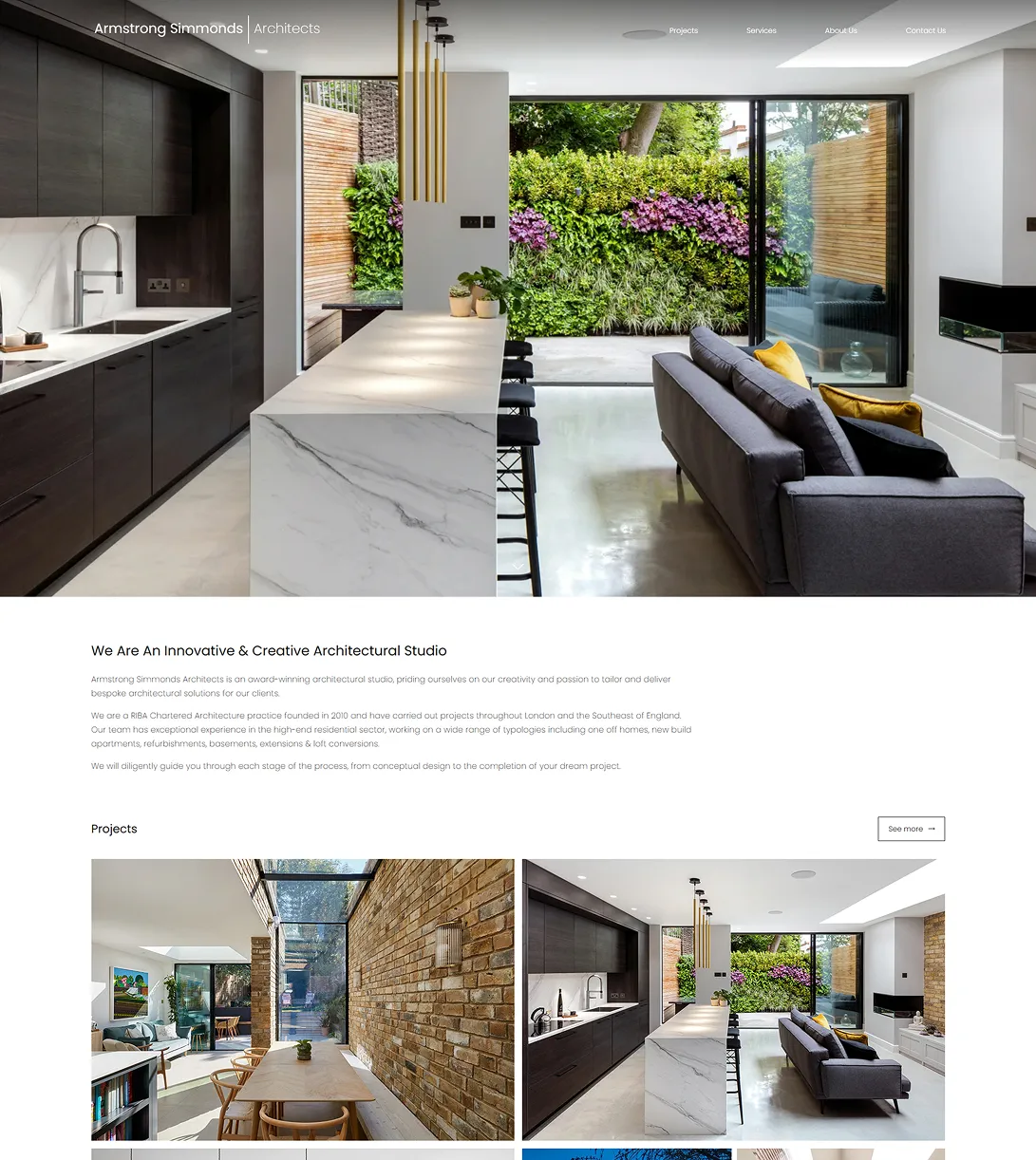
B2C architecture studio in London. Bespoke website design with clear service pages and a journal. Outcome: longer sessions, higher enquiry volume from Central London districts, stronger organic visibility.

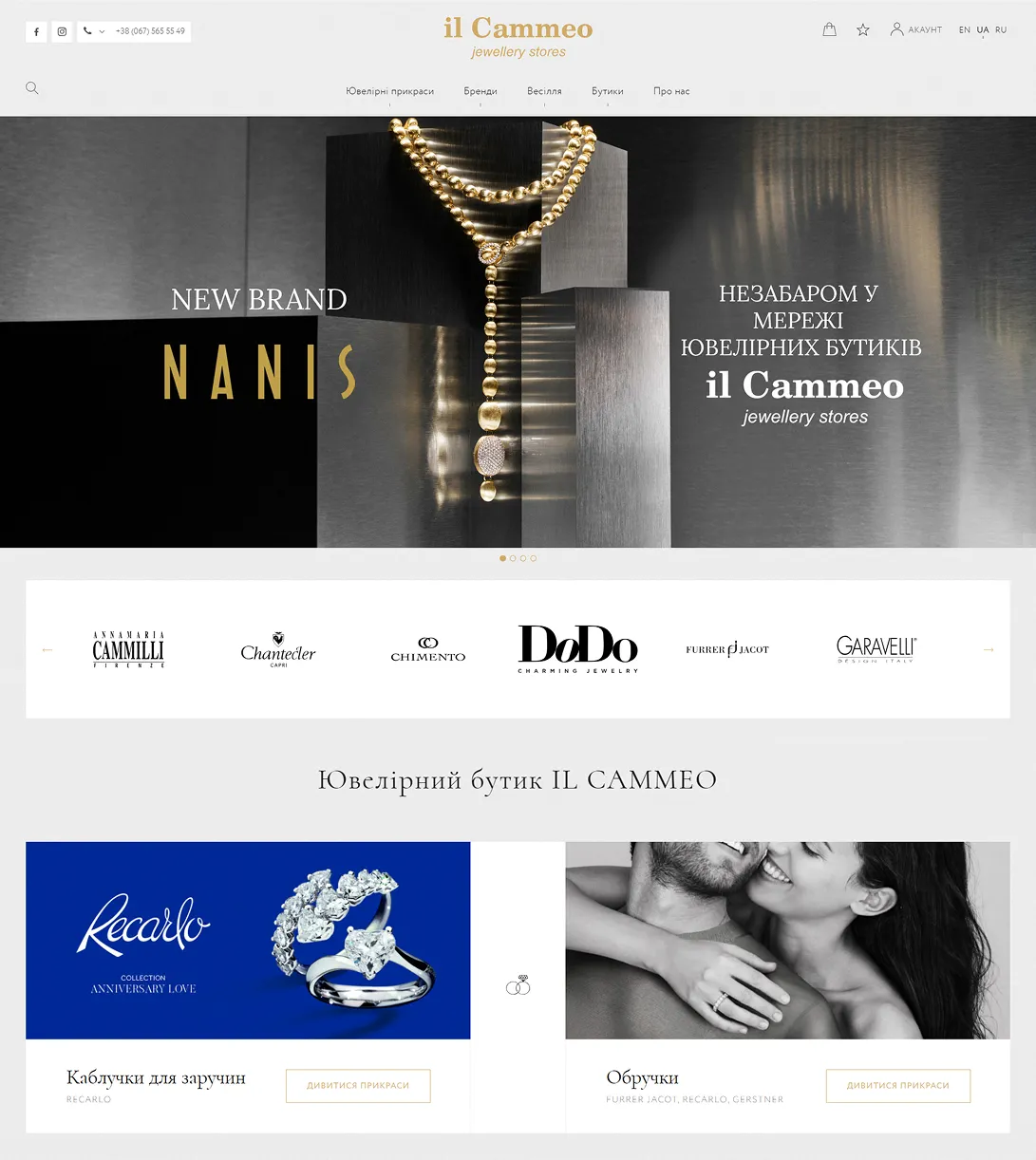
Jewellery retailer. Website design and development with mobile-first UX, refined product cards, and story-led content. Outcome: higher PDP conversion and better repeat traffic from search.

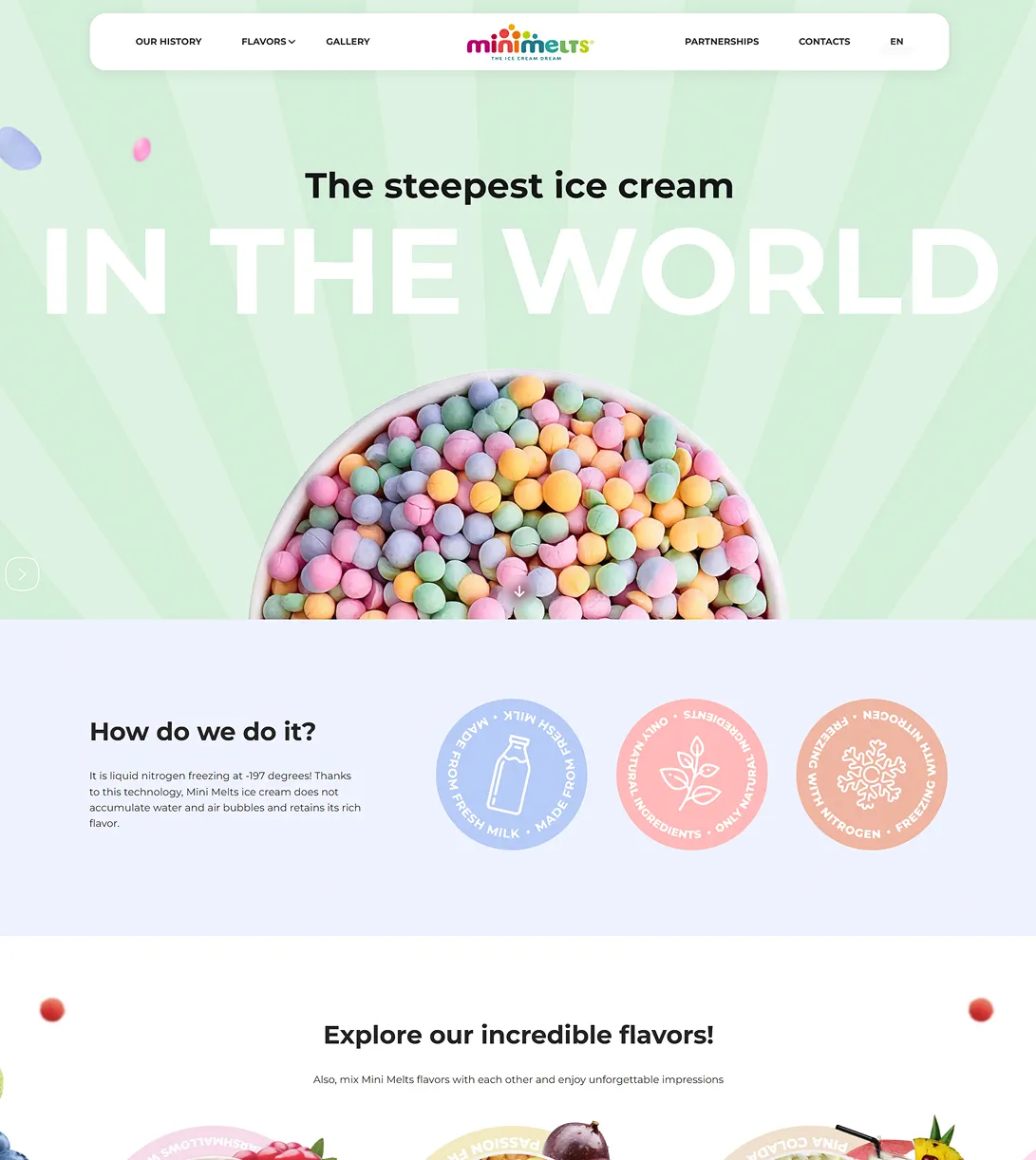
Food brand. B2B website design for distributors with simple lead capture and location logic. Outcome: shorter paths to contact and measurable pipeline growth.
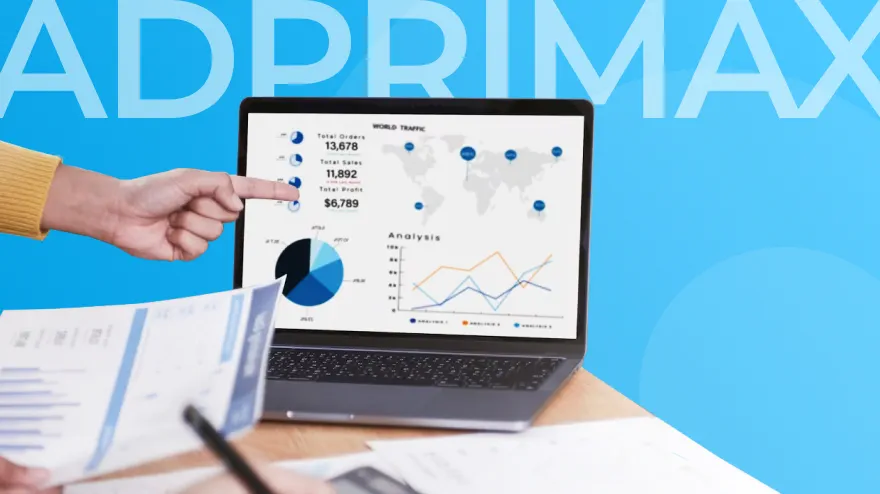
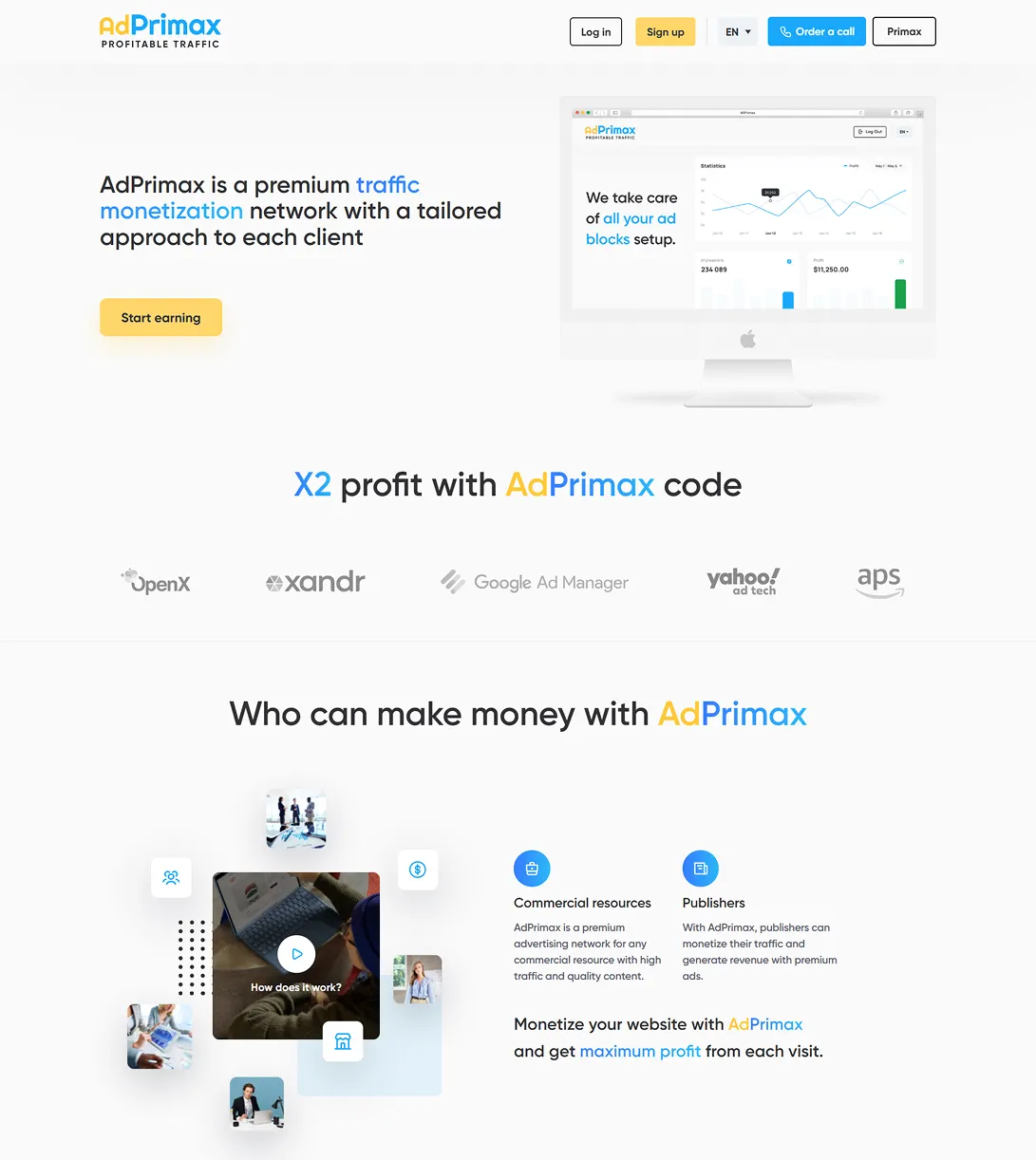
Premium traffic monetisation service connecting publishers with 200,000+ advertisers through an AI-driven auction system. Website and client dashboard fully developed on Laravel, featuring automated data synchronisation, performance analytics, and flexible payout modules. Outcome: seamless user experience, stable system performance, and simplified traffic management for global clients.
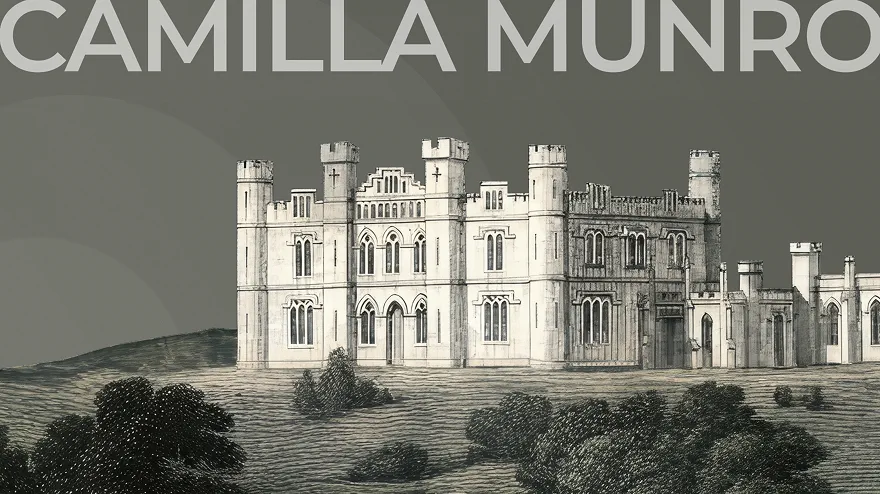
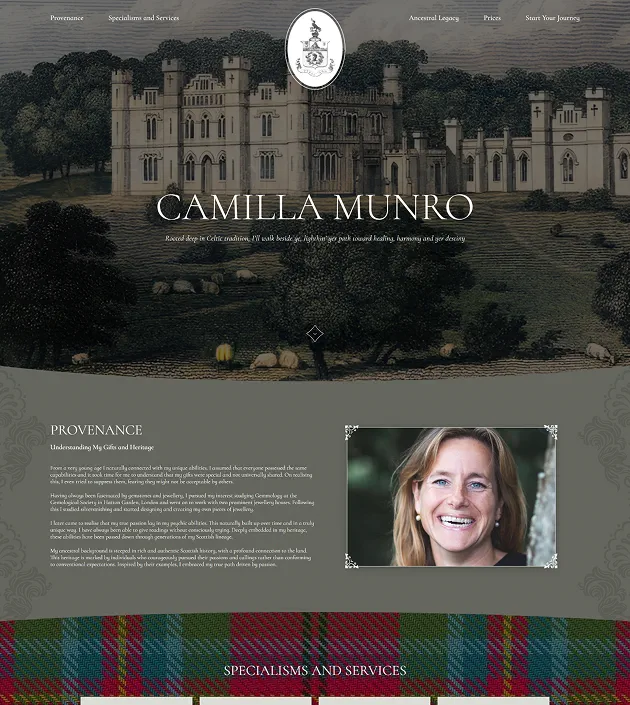
Personal website for a Cotswolds-based psychotherapist with integrated Calendly module for booking consultation slots and online payment functionality. Built on WordPress with a calm, minimalist design focused on accessibility and trust. Outcome: simplified appointment scheduling, secure online payments, and a smooth user journey for clients seeking therapy sessions.

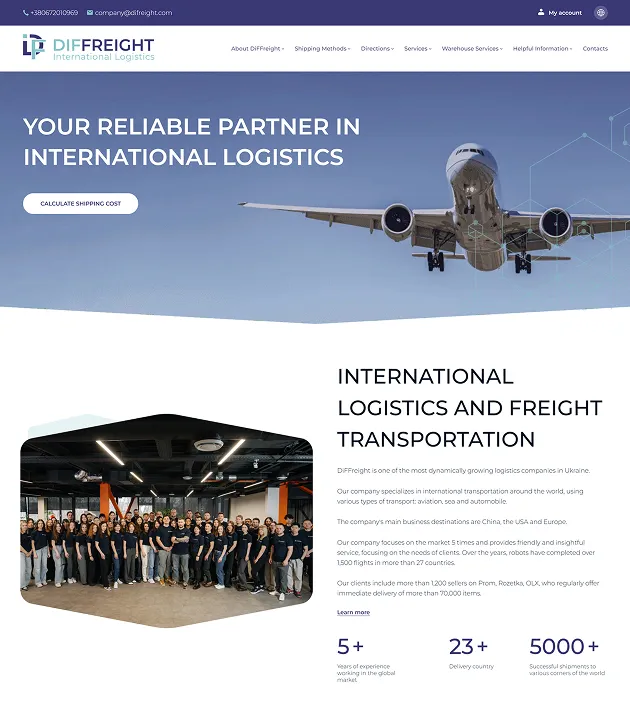
International cargo transportation company. Website redesign and SEO for a service site, aimed at top positions for key search queries.
What we measure after launch:
- Page speed and Core Web Vitals (Google’s measures of loading speed and stability)
- How many visitors send a form, book or buy on key pages
- Which channels bring enquiries: SEO, ads, social media
- How much time and money the site takes to maintain
How Your Website Gets Built: 7 Stages

Discovery and brief
You tell us about your business goals, your audience and the features you need, and together we agree what success looks like. Our SEO specialists add the site structure and search requirements to the brief. If you are replacing an existing site, its traffic, rankings and content are reviewed first, so the new site keeps what already works.
Output: project brief, risks list, measurement plan.

Architecture and specification
Templates, data structure, CMS content model, integrations and the migration approach are defined and agreed with you.
Output: template map, feature list with acceptance criteria, integration plan.

Design and user journeys
Pages are designed around how your visitors move through the site, so each one leads them towards an enquiry or purchase.
Output: wireframes or page logic, design components, rules for mobile and tablet.

Development and integration
Our developers build the system: CMS setup, custom modules, integrations, forms, tracking and automation. You can follow progress on a staging version of the site.
Output: staging releases, version-controlled codebase, implementation notes.

Testing and performance
Every page is tested across browsers and devices, checked for accessibility and security, and optimised for loading speed.
Output: test report and completed fixes.

Launch and post-launch checks
The launch comes with a rollback plan, redirects from old pages, monitoring and backups, and a check that tracking and cookie consent work.
Output: signed-off launch checklist, verified analytics.

Ongoing improvements
After launch, the site keeps getting better: conversion rate optimisation (testing changes that increase enquiries or sales), SEO, new pages and features, campaign landing pages.
Output: improvement backlog and delivery plan.
Technologies and Frameworks We Use
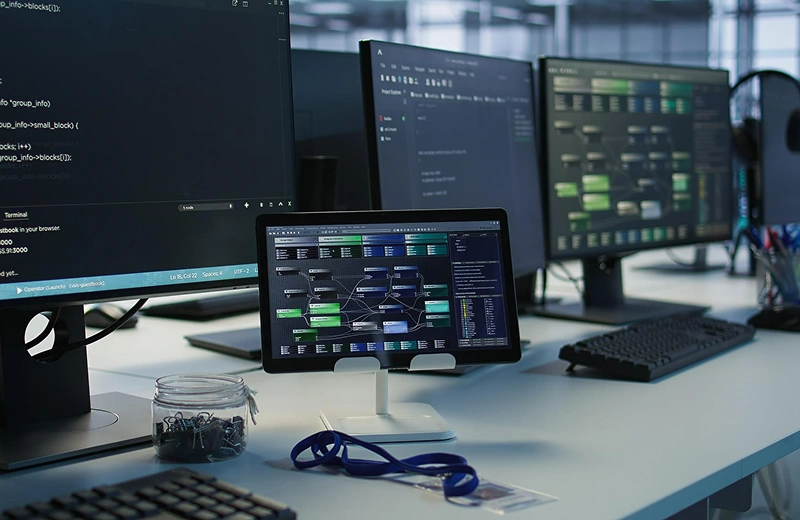
The right technology keeps maintenance costs down, makes the site faster and protects it from attacks. It is chosen for each project based on what your site has to do.
What we use and when
- Laravel – custom platforms, secure backends, complex business logic
- WordPress – content-heavy sites with editorial workflows
- React and Next.js – performance-first interfaces, scalable front-ends
- Node.js – integrations, automation, API services
- Databases and caching – speed and stability as traffic grows
- DevOps tooling – staging environments, version control, structured releases
- CMS-UP – our own Laravel-based CMS for managing several websites from one admin panel
Ready for marketing from day one
- Google Analytics 4 connected on every site; detailed event tracking in Google Tag Manager (enquiries, purchases, key actions) available as an extra
- Cookie consent set up to meet UK GDPR
- Technical SEO built in: indexation control, canonicals, schema, internal linking
Website Development Costs

Business card website
For small businesses that need a fast, credible site. Up to 5 core pages.
CMS setup with one set of page templates, contact form, Google Analytics 4, speed optimisation and a launch checklist.

Corporate website
For service firms and B2B companies that need more depth and more ways to get in touch. Up to 20 pages built from reusable blocks.
Templates for services, case studies and articles; enquiry forms; testing across devices and a speed optimisation pass.

Landing page
A single-goal page for an ad campaign, email campaign or product launch, built to load fast and track every lead.
Conversion-focused layout and calls to action, form setup with event tracking, quick changes after launch based on results.

E-commerce or custom website
For online shops, sites with 20+ unique pages or custom functionality.
Multiple templates and custom modules, integrations (CRM, payments, product feeds) scoped to your requirements, deeper testing, performance tuning and support in the weeks after launch.
The number of unique page templates, integrations, how ready your content is and how much testing is needed. Content writing, large content migrations, hosting and paid third-party licences are quoted separately. We confirm the final price after a short Discovery stage, and for custom features we price each one against agreed acceptance criteria, so you know what you are paying for.
Ongoing costs to plan for: hosting £10-£200 a month and maintenance £200-£1,500 a month, depending on scope. Both are included in the estimate, so you see the full cost before you start.

Why Businesses Choose VOLL Digital Agency
The biggest worries in a website project are a budget that keeps growing, deadlines that slip and a site nobody looks after once it is live. This is how each of them stays under control.
What you get with VOLL Digital Agency
- Building websites since 2008, with 380+ websites launched
- Based in Oxfordshire and London, building to UK requirements for GDPR and accessibility
- Site structure and features planned around how your business works and where it is heading
- One team for strategy, design, development, SEO and PPC
- Transparent scope control – acceptance criteria per feature, staged releases, change control that protects your budget
- A project manager who keeps you updated at every stage, so you always know what is done and what comes next
If we think a feature is unnecessary or risky, we will tell you and explain why.
Clients & Partners
























Frequently Asked Questions
What is the difference between website design and website development?
Design decides how the site looks and how visitors move through it. Development turns that design into a working site: code, CMS, integrations, speed, security and launch. We do both, with separate specialists responsible for each.
How long does website development take?
Business card website: 2-4 weeks. Corporate website: 2-3 months. Large e-commerce site: 4-8 months. Custom platforms: 6-12+ months. The timeline depends on scope, how ready your content is and how quickly feedback comes back.
How much does website development cost in the UK?
From £1,750 for a business card website or a landing page, to £12,500+ for e-commerce and custom websites. You get a line-item estimate after Discovery.
Can you work with our existing design?
Yes. We develop from Figma, provided we agree on responsive rules, component behaviour, and performance constraints upfront.
Do you provide maintenance and support?
Yes: security updates, performance monitoring, improvements and new features. Regular maintenance catches problems early, when they cost less to fix.
Who owns the website after launch?
You do. Code, content, and accounts. We provide documentation so your organisation is not locked in.