Ecommerce SEO Services
UK online shops get their best customers from people who are already searching for what they sell. Our ecommerce SEO services work on the pages that sell, category and product pages, and on the technical side of large catalogues, so the right products appear for those searches and buying is easy.


Matching each search to the right page
Shoppers search in three ways. Broad searches such as “oak dining tables”, “women’s linen trousers” or “carp fishing reels” lead to category pages. Searches for a specific model, brand or part number lead to product pages. Questions asked while still choosing, such as “how to measure for a sofa”, lead to buying guides. The work starts by giving each type of search the right kind of page, then making sure search engines can reach and understand all of them.

Category and product pages that sell
- Categories built around real searches. The shop’s structure follows how customers search, with landing pages for popular combinations of material, size or use where there is demand.
- Category text that helps people choose, placed so it does not push products down the page.
- Product pages with original descriptions, specifications, delivery and returns information, reviews and clear photos. Supplier descriptions appear on many other shops, so the key products get their own text.
- Structured data for products, prices, availability and reviews, which helps your listings stand out in search results and Google Shopping.
- Internal links from guides and related products to the categories you most want to rank.

Technical SEO for large catalogues
The bigger the shop, the easier it is for search engines to get lost in it. We look at:
- Filters and sorting: which filtered pages should be indexed because people search for them, and which should not.
- Product variants: sizes and colours handled so they do not compete with each other as duplicate pages.
- Out-of-stock and discontinued products: kept, redirected or removed depending on whether they will return and whether they still attract searches.
- Speed on mobile, especially on category pages with many images.
- Product feeds in Google Merchant Center for free listings in Google Shopping, kept in line with the website.


Platforms and migrations
We work with Shopify, WooCommerce and other WordPress shops, and custom stores, including shops our developers build on Laravel. A platform change is a common moment for a shop to lose search traffic, so a migration starts with a full list of URLs and redirects, and rankings are checked after launch. Platform-specific work is covered on our pages on Shopify SEO and SEO for WordPress.

Sector pages
Furniture shops sell high-value items that people research for weeks, while clothing shops change their range every season, so each has its own page: SEO for furniture stores and fashion SEO for clothing and footwear shops. For an example of our work with an online shop, read the Fishmak fishing gear shop case study.

How the work starts and what it costs
Every project starts with an ecommerce SEO audit of structure, indexing, product and category pages and competitors, with a list of priorities; a full website SEO audit can also be ordered on its own. Some shops then take the plan to their own team and book SEO consultations when they need advice; others hand us the ongoing work. Monthly ecommerce SEO services begin at £500 for basic optimisation and reporting, and shops with large catalogues or several markets usually need a higher level; our SEO packages explain what each includes. Changes that need code are carried out by our developers and quoted separately.
Portfolio Highlights

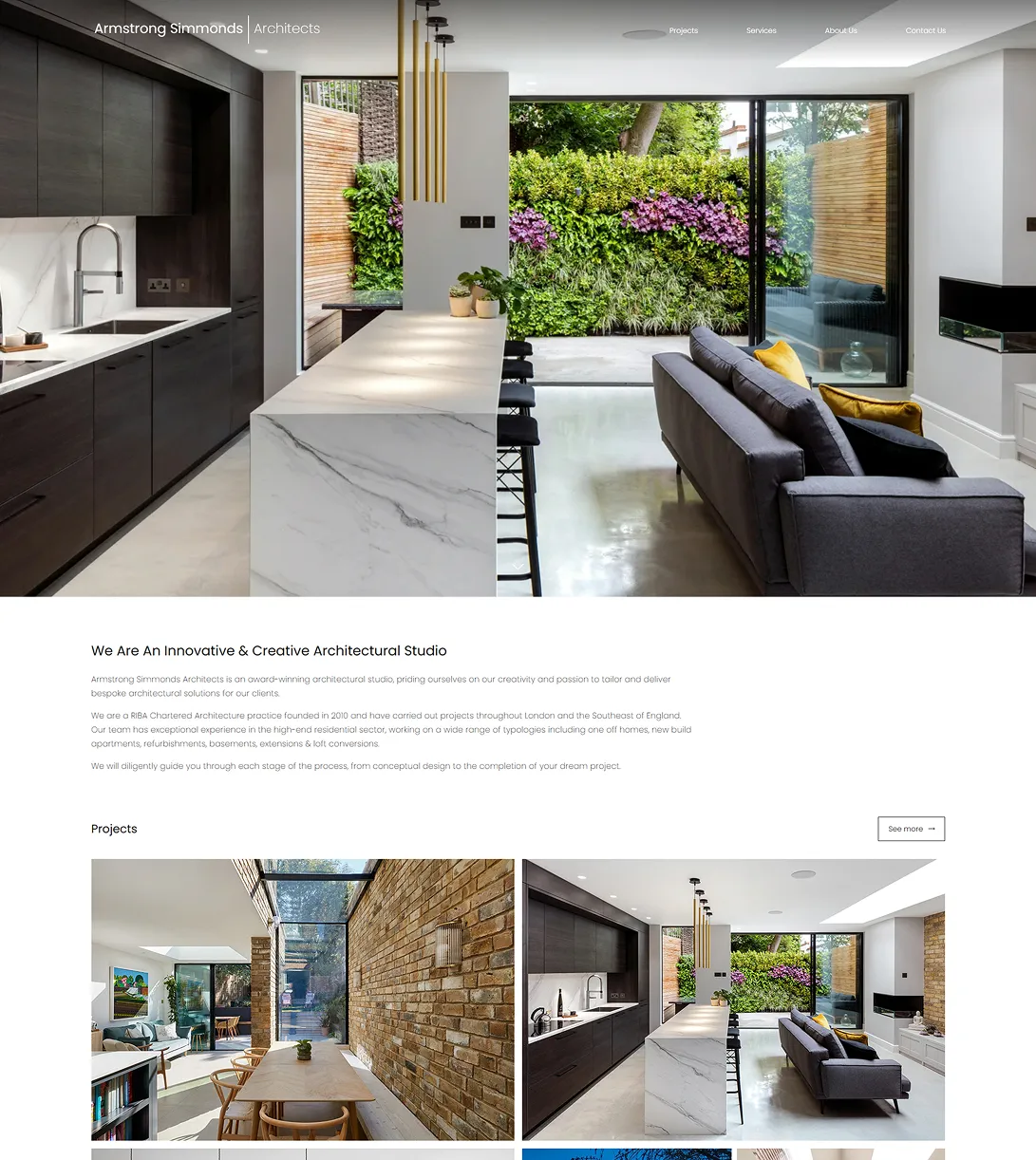
B2C architecture studio in London. Bespoke website design with clear service pages and a journal. Outcome: longer sessions, higher enquiry volume from Central London districts, stronger organic visibility.

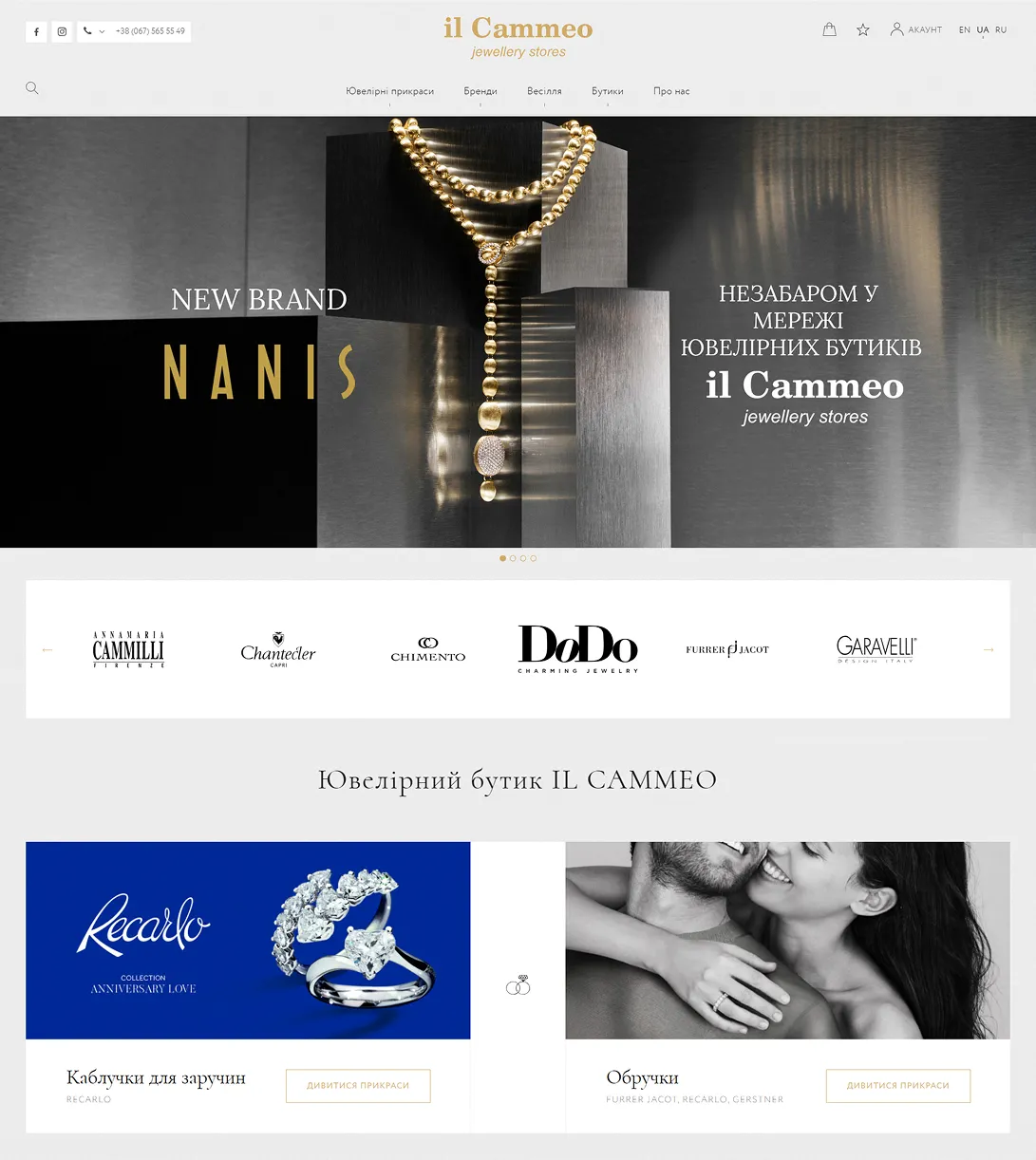
Jewellery retailer. Website design and development with mobile-first UX, refined product cards, and story-led content. Outcome: higher PDP conversion and better repeat traffic from search.

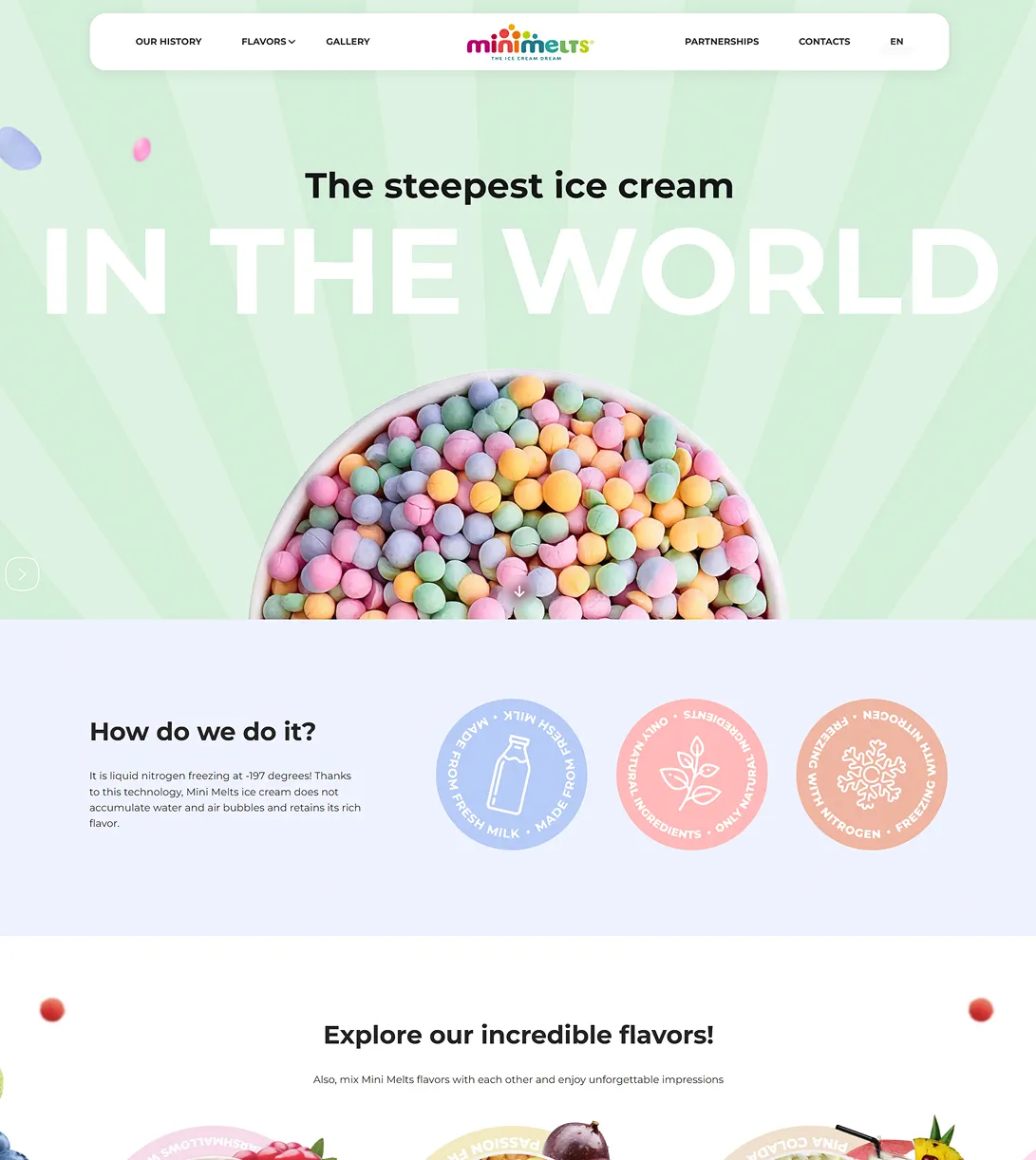
Food brand. B2B website design for distributors with simple lead capture and location logic. Outcome: shorter paths to contact and measurable pipeline growth.
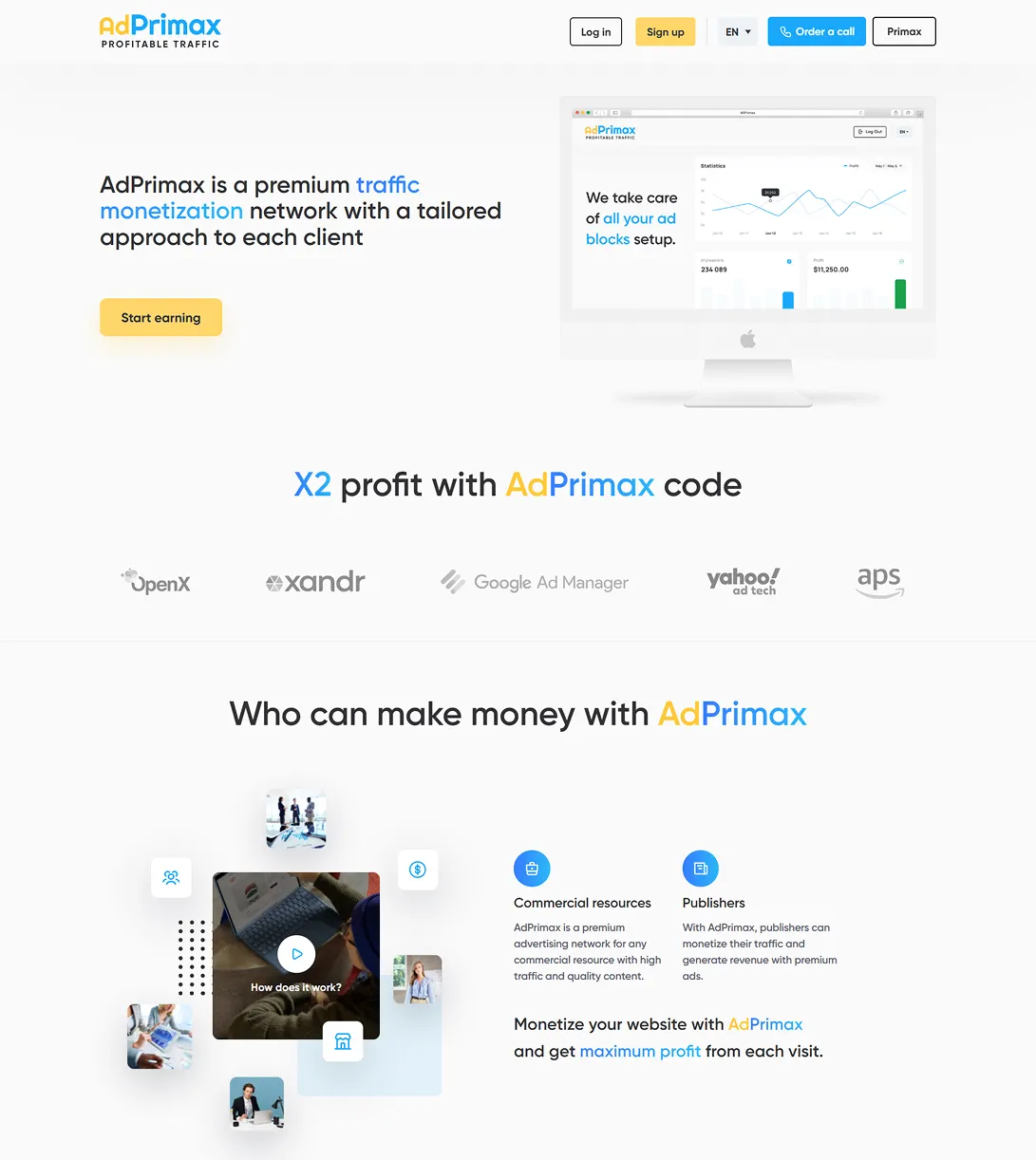
Premium traffic monetisation service connecting publishers with 200,000+ advertisers through an AI-driven auction system. Website and client dashboard fully developed on Laravel, featuring automated data synchronisation, performance analytics, and flexible payout modules. Outcome: seamless user experience, stable system performance, and simplified traffic management for global clients.

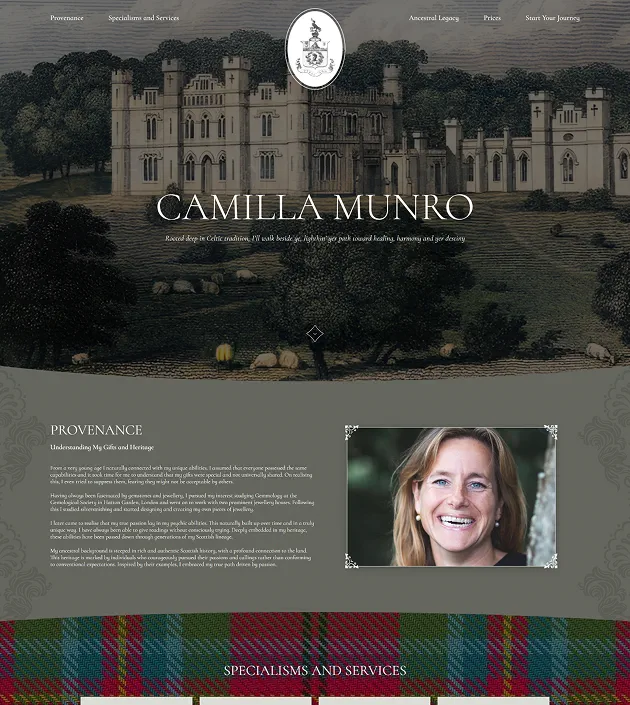
Personal website for a Cotswolds-based psychotherapist with integrated Calendly module for booking consultation slots and online payment functionality. Built on WordPress with a calm, minimalist design focused on accessibility and trust. Outcome: simplified appointment scheduling, secure online payments, and a smooth user journey for clients seeking therapy sessions.


International cargo transportation company. Website redesign and SEO for a service site, aimed at top positions for key search queries.
Clients & Partners

























Frequently asked questions
How long does ecommerce SEO take?
Technical fixes on a large catalogue can show sooner than other work, because many pages improve at once. Overall, first movement usually comes within 2-3 months, steady growth from months 4-6 and the strongest results after 6-18 months.
Should we focus on category pages or product pages?
Usually on category pages first, because they match broader searches with more buyers. Product pages matter most for searches for specific models, brands and part numbers.
Do you also run Google Shopping ads?
Yes. Our team runs Google Ads, including Shopping campaigns, and the same product feed serves both free and paid listings.
Can you build or rebuild our online shop?
Yes. We also offer ecommerce website development, so a new shop can be planned around search from the start.